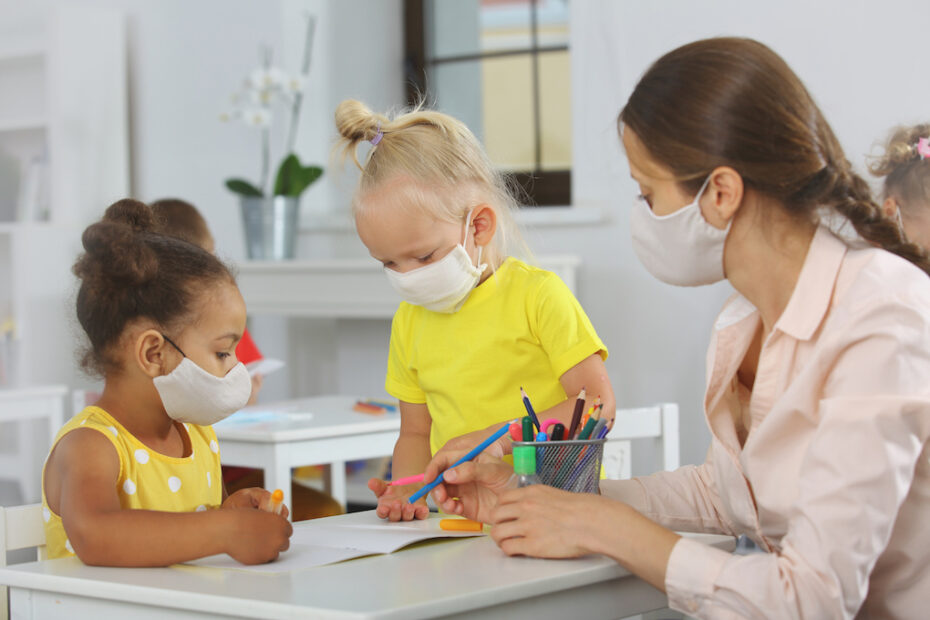
As a parent, you may wonder how childcare centers are managing during the COVID-19 outbreak. As an educator, you might look for ways to keep kids happy, safe during this time. Fortunately, children do not seem to be at high risk for COVID-19 and they can continue to go to childcare if they are well.
- If your child is feeling well and does not have any symptoms, they can go to childcare as normal. It is recommended continuing kids’ essential daily activities such as going to childcare during COVID-19. However, there are some children who should be isolated at home and not attend childcare.
- If your child comes into close contact with a confirmed case of COVID-19 you should isolate them for 14 days from the last contact, even if they are healthy. This means your child should not go to childcare.
- If a public health authority has told you that your child is a close contact of a confirmed case of COVID-19, they cannot go to childcare until the authority tells you it is safe for them to do so, even if they do not have symptoms.
- Anyone who has recently returned from overseas, including children, are required to quarantine for 14 days in a state facility, such as a hotel. After 14 days, if you show no symptoms, they will allow you to go home.
These rules apply to childcare staff and parents, as well. If none of these circumstances apply to your child and they are feeling well, they can go to childcare.
If your child is being isolated at home, monitor their health and look out for symptoms. If your child develops symptoms such as fever, cough, sore throat or shortness of breath, seek medical help, it is very important that you call before visiting your doctor or the hospital emergency department, to describe your child’s symptoms and travel history.

We should encourage physical distancing at childcare, which will reduce the risk of spreading germs or viruses. This is not always easy with children, because physical distancing involves:
- avoiding small gatherings in enclosed spaces
- trying to keep 1.5 meters between children, where possible
- avoiding hugging or kissing
Childcare staff will also change some activities to encourage physical distancing, good hygiene and safe play for the kids. Some examples might include:
- setting up engaging, individual projects at the table, leaving every second chair empty
- having group time outdoors, where possible
- playing musical statues
- dancing on dots spaced out on the floor
- painting at separate easels
Teaching kids to wash their hands is one of the best ways to protect against COVID-19 transmission. Clean your, and your child’s, hands when you arrive at childcare, and at regular intervals throughout the day.
If you or your child have severe difficulty breathing, call 911 immediately. Tell the call handler and the paramedics on arrival about your recent travel history and any close contact with a person with confirmed COVID-19.